Animal Crossing: New Horizons offers players an engaging blend of everyday island management and whimsical tasks that add depth to gameplay. One such intriguing challenge is the hunt for a small yet rare insect—a process that is both methodical and rewarding. In this immersive experience, players must experiment with in-game items and conditions to attract these creatures, blending strategy with a touch of patience. The technique requires an understanding of the island's mechanics, where timing, environmental conditions, and resource management come together in an artful way. Exploring these mechanics not only deepens the game’s immersive qualities, but also creates an avenue for players to appreciate the subtle nuances of virtual nature and economy.
Innovative Gameplay Mechanics and Nature’s Intricacies
The journey toward attracting these elusive insects begins with understanding the delicate interplay between in-game resources and nature. Within the immersive world of Animal Crossing: New Horizons, the notion of resource transformation is at the core of this pursuit. Players are tasked with transforming ordinary turnips into a tool of attraction through a process that mirrors natural decay. This unexpected twist in gameplay deepens the sense of realism, challenging players to time their actions with precision. Moments of anticipation arise as turnips, left to naturally deteriorate, slowly become the focal point of an unfolding natural phenomenon. Such mechanics invite a reflective exploration of in-game processes and encourage players to embrace both the creative and analytical sides of their island life.
Understanding the Process of Transforming Turnips
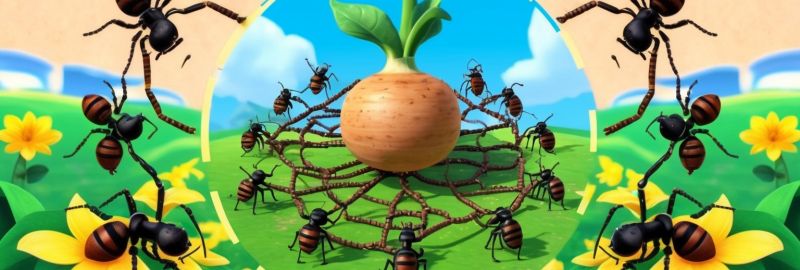
At the heart of attracting these miniature creatures lies a careful process of letting turnips succumb to a natural decline. This method, requiring a sacrifice in resources, is rather unique to the game, considering it’s among the select few ways to encourage a specific kind of insect colony. By purchasing turnips in predetermined bundles and intentionally allowing them to spoil over time, players engage in a deliberate act of resource management. The process is intentional and requires foresight, as turning in a set amount of turnips for this activity means planning ahead and ensuring that these bundles are isolated from everyday trade items. The anticipation builds until the spoilage reaches a state that fascinates nature, resulting in the organization and appearance of the insect community.
Encounters With a Hidden Colony of Ants
Once the turnips have reached their state of decay, a remarkable transformation takes place on the island's landscape. A long colony of ants can then emerge, slowly nibbling away at the decomposing food. The appearance of these insects is transient and requires precision in capturing them. Navigating the island with a net becomes an exercise in patience and timing, as any missed attempt causes the vibrant procession to scatter momentarily before regrouping. The interplay of chance and strategy is essential—players need to be both persistent and observant. The overall experience is "a cue that, despite our reliance on digital technology...", the intricacies of nature can present unpredictable challenges that reward careful planning and timely intervention.
The Art and Strategy of Resource Management
Deliberate manipulation of resources is a critical element to successfully nurturing an ant colony. Players must purchase turnips consistently from a key island vendor, ensuring they are available in distinct bundles. Separating a dedicated lot from a larger collection introduces another layer of strategy: mismanaging these bundles can lead to significant losses. The game requires that exactly 10 turnips be set aside for the decay process, underscoring the importance of precision. The fact that turnips can be acquired in bulk but must be divided into smaller units for this specific task demonstrates how intricate the planning system in Animal Crossing can be. This need for meticulous resource management elevates everyday gameplay into an engaging strategic decision-making scenario.
The Impact of Environmental Conditions on Gameplay
Weather and seasonal shifts in Animal Crossing: New Horizons broaden the dynamics of capturing insects through this unique process. Players must be mindful of external conditions which can subtly influence the likelihood of an insect colony appearing. For instance, damp and rainy weather may hinder the emergence of these wandering colonies, introducing an additional challenge and an element of unpredictability. Such factors compel players to pay close attention to in-game forecasts and adjust their tactics accordingly. The weather system, coupled with the process of resource decay, reinforces the need for strategizing around both time and natural conditions. This multi-layered interaction between environment and gameplay not only adds complexity to the task but also enriches the overall immersive quality of the island experience.
The Economic Value and Trading Dynamics in the Game
Once successfully captured, these insects offer more than just a quirky addition to the island’s collection—they represent a source of tangible economic benefit. Transparent trading dynamics exist where players can choose to sell these creatures either to the local shopkeepers or to a specialized visitor known for offering premium compensation. The value assigned to each insect provides an enticing alternative to simply showcasing them at the museum. This dual pathway of trade versus collection encourages players to weigh the benefits of immediate economic gain against the longer-term virtue of completing collections. The commercial aspect interweaves with gameplay strategies, reinforcing that success in the island world is achieved through a mixture of curiosity-driven exploration and practical resource investment.
A Closer Look at the Turnip Trading System
The thorough process of setting aside turnips is reflective of the broader trading system within Animal Crossing: New Horizons. At the outset, players purchase turnip bundles by interacting with a charismatic vendor whose arrival signals the weekly start of an important economic cycle. From this point on, the turnips serve a dual purpose: they are both valuable commodities for trading and essential items for stimulating specific in-game events. The necessity to separate a portion of turnips for decay, without disrupting the general economic flow, underscores the game’s commitment to challenge players on many fronts. The balancing act between feeding marketplace demands and experimenting with natural occurrences adds a layer of complexity that is highly engaging and reinforces the game’s appeal to both casual and dedicated strategists.
The Interplay Between Museum Exhibits and Insect Collection
In parallel with economic strategies, the island community also values achievements and discoveries for their cultural significance. Once the insects are safely in hand, Players are given a chance to elevate their skills their museum exhibits by donating these specimens. Such contributions serve to preserve and celebrate the biodiversity within the game’s universe. The act of donating not only enriches the aesthetics of the island museum but also offers a sense of accomplishment and pride from completing collections. This integration of natural exploration with cultural enrichment fosters a rich, layered experience where ecosystem management, artistic presentation, and community sharing work harmoniously. The museum aspect underscores that every element, even the smallest creatures, plays its part in the tapestry of island life.
The Innovative Design of Ant-Related Furnishings
Beyond the excitement of catching living creatures, the game also includes creative ways to incorporate natural motifs into the design of one’s island home. Notably, there is a thematic furnishing that draws on the concept of an ant farm. This decorative item invites players to celebrate and showcase the world of tiny creatures in a more static form, distinct from the active process of ant collection. While the ant farm device itself is not interactive with the process of gathering insects, it serves as an aesthetically pleasing element in household design. Its presence reinforces the thematic connection between the natural world and crafted aesthetics, emphasizing the game’s commitment to creating a fully engaging setting that dissolves the boundaries between in-game ecology and decorative art.
The Nuanced Design of Virtual Environments
Animal Crossing: New Horizons thrives on its ability to simulate a realistic yet charming world, in which every detail helps shape the overall atmosphere of the island. The quest to attract these insects by allowing turnips to decay is a prime example of how even minor in-game actions have notable visual and environmental impacts. The gradual transformation of an everyday item into a catalyst for wildlife occurrence adds a thoughtful design touch that blurs the boundaries between function and beauty. By integrating elements like weather conditions and resource management, the game creates a dynamic ambiance where each action contributes to an overarching narrative. This careful attention to environmental detail invites players to immerse themselves deeply in the world, appreciating how every aspect of the island harmonizes to create a vibrant and evolving landscape.
The Role of Patience and Timing in Gameplay Mastery
Mastering the art of catching these elusive creatures hinges on a blend of patience and timing, qualities that resonate deeply with the overall philosophy of Animal Crossing. The process requires that players step away from the immediacy of constant activity to wait for turnips to naturally spoil over a given period. As the game simulates the As time goes by, it further confirms the notion that… rewards often come to those who exercise perseverance and careful planning. The methodical approach to letting nature take its course—combined with the opportunity to intervene at just the right moment—adds an element of mindful strategy. This focus on waiting and observing transforms routine gameplay into a subtle exercise in self-discipline, echoing the slower-paced, more reflective experiences that define the charm and enduring appeal of island life.