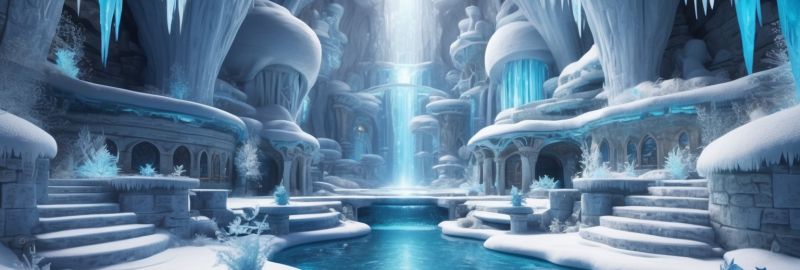
In The Legend of Zelda: Ocarina of Time, the Zora Domain stands out as one of the game’s most memorable regions, a cold and reflective sanctuary tucked behind rushing waterfalls and shimmering pools. Its design blends elegance with a sense of isolation, creating a space that feels both regal and mysterious. Players arrive here to find a society unlike the others in Hyrule, one shaped by water, ceremony, and hidden pathways. Beyond its visual appeal, the Domain serves as an important stop in the adventure, offering progression items, story details, and side rewards that support Link’s journey in different ways.
Frozen Waters and First Impressions
The first sight of the Zora Domain immediately sets the tone. The area is coated in ice, framed by cascading water, and filled with a quiet mood that separates it from the livelier parts of Hyrule. Instead of sprawling fields or busy settlements, this location feels enclosed and sacred, like a natural palace carved into stone and glacier. The movement of water around the chamber gives the setting constant life, even while everything else appears still. This contrast helps the area retain a special identity, making it easy for players to remember long after they have moved on.
A Home for the Zora People
The Domain is not just a pretty cave system; it is the central home of the Zora race, including figures such as King Zora and Princess Ruto. Their presence gives the region a sense of hierarchy and tradition, and the environment reinforces that feeling through its placement and structure. The Zora are shown as a proud people with customs tied to their aquatic world, and the Domain functions as both residence and royal seat. Every path and chamber seems designed around their lives, from the high waterfall entrances to the deep pools below, making the area feel organically connected to its inhabitants.
Child Link’s Early Tasks
When visiting as Child Link, the Zora Domain becomes a place of practical objectives and important story momentum. One of the key goals is obtaining the Silver Scale, an upgrade that improves how long Link can remain underwater. This item is gained through an aquatic challenge that tests both movement and attention. Child Link is asked to enter a diving task where five scales must be collected within a strict time limit. The result is more than a simple reward; it opens up new exploration options, especially in locations where submerged routes and hidden objects would otherwise remain out of reach.
The Diving Challenge and Its Rhythm
The diving sequence in the Domain gives the area a playful yet focused gameplay beat. Rather than relying on combat, it shifts attention toward timing, movement, and observation. The challenge asks Link to plunge into the water and search beneath the surface for scattered targets, turning the space into a hands-on environment instead of simply a scenic backdrop. This design works well because the room itself teaches the player how to navigate it. The water, stairs, and ledges all guide the eye. Completing the task feels satisfying because it is rooted in the location’s identity, not just tacked on as a side event.
Hidden Routes Beneath the Falls
One of the clever features of the Zora Domain is the concealed passage accessible from the lower part of the area. After the diving segment, Link can approach the water and find an entry concealed by the flow, leading to a route that carries him onward to Lake Hylia. This kind of spatial connection is a strong example of the game’s world design, as the Domain is not an isolated room but part of a larger network of water-based travel. The hidden warp-like passage adds a sense of discovery and makes the region feel integrated into Hyrule’s geography rather than separated from it.
The Bottle and the Message It Carries
After reaching Lake Hylia, Link can locate a bottle that holds an important message from Princess Ruto. This object is more than a collectible; it acts as a story key that pushes the adventure forward. The writing inside connects the player to the ongoing mystery around Princess Ruto and King Zora, turning a routine item search into a meaningful moment. Because the bottle is found in an area linked to the Zora Domain, it strengthens the sense that the region’s events extend beyond its walls. The object also reinforces the game’s habit of blending exploration with narrative progression in a subtle way.
Returning to Royal Authority
Bringing the bottle back to King Zora is a major step in the child portion of the area’s activities. This interaction does more than mark a checkpoint; it deepens the story by tying together the fate of the royal family and Link’s larger mission. The emotional center of the scene rests on the realization that Princess Ruto’s message matters, and that the King’s response shifts the adventure into its next phase. The path back through the Domain can also be used strategically, since players are encouraged to prepare other necessities along the way, including a fish stored in a bottle for later use in another part of the story.
Preparing Supplies for Future Use
Exploring the Zora Domain is also a practical opportunity to gather resources that will matter later. One especially useful task is catching a fish in an Empty Bottle before leaving, since this item is required for an upcoming encounter elsewhere. That small act reflects the clever item economy of Ocarina of Time, where a single bottle can serve many purposes across different regions. The Domain contributes to that system by offering both immediate and delayed benefits. Players who pay attention here will make later sections smoother, which makes the visit feel efficient as well as atmospheric.
Adult Link’s Return with Blue Fire
When Link returns as an adult, the Zora Domain serves a different function. The frozen setting now reflects a more severe crisis, with King Zora trapped in red ice and unable to move. The solution requires blue fire, an item brought from the Ice Cavern in the Zora Fountain. Using this resource to free the King is an excellent example of the game’s connected dungeon logic, where one area provides the means to solve another area’s problem. The moment is simple but effective, giving the player a clear purpose for the revisit and making the Domain feel relevant across multiple stages of the adventure.
Reward Structure and Progression Value
Freeing King Zora as Adult Link leads to a valuable reward: the Zora Tunic. This equipment is more than just ornamental; it is vital for surviving deeper underwater sections and is especially important for the Water Temple. The placement of the reward creates a strong loop between exploration, problem-solving, and dungeon readiness. Rather than handing out the item randomly, the game ties it directly to the world and its people. That design gives the Zora Domain lasting importance, since the player’s actions here influence performance and survival far beyond the immediate area.
Gold Skulltula Search at Night
The Domain also contains a single Gold Skulltula hidden near the top of the waterfall at night. This collectible is available to Adult Link and requires the Hookshot or Longshot to reach. Its placement encourages players to revisit familiar spaces under different conditions, rewarding careful observation and a willingness to return at the right time. The nocturnal requirement gives the hunt a slightly secretive tone, while the vertical positioning of the target fits the Domain’s layered layout. It is a compact collectible challenge, but one that feels well matched to the area’s vertical design and watery movement.
Heart Piece Puzzle and Torch Timing
Among the Domain’s optional rewards, the Heart Piece location is one of the more memorable because it involves a torch puzzle. As Child Link, the player must light a Deku Stick from a torch in the royal chamber and carry that flame to the stone torch on the stairs. Once lit, that torch remains active, making later attempts easier. From there, the player uses a fresh Deku Stick to ignite the remaining torches in sequence. If done correctly, a chest appears between the waterfall torches. The challenge feels tactile and satisfying, using fire management and route planning to create a small but engaging environmental puzzle.
Visual Tone and Environmental Identity
What makes the Zora Domain endure in memory is not just the items or objectives, but the atmosphere surrounding them. The glacial surfaces, the sound of moving water, and the understated royal architecture all help shape a setting that stands apart from the rest of the game. It has a calm, almost ceremonial quality, yet it never feels empty. Zora NPCs, movement through water, and the interplay between frozen and flowing elements all work together to create a location that feels alive. Even brief visits leave a strong impression because the region balances beauty, utility, and narrative purpose so effectively.
Gameplay Flow and Area Design
The Zora Domain succeeds because it supports a wide range of player actions without losing its identity. In a short span, Link can dive, talk to characters, search for hidden entries, deliver story items, revisit the area with new equipment, and complete collectible tasks. The region is structured so that movement feels natural, with each platform, stairway, and chamber guiding the player toward the next interaction. That careful layout keeps the pace smooth and makes the Domain feel like a living part of the adventure rather than a detached stop. Its mix of exploration, utility, and character-driven purpose makes it one of the most versatile destinations in the game.