








Meccha Chameleon is the kind of game that walks into the room with loud shoes and a bigger personality than most releases twice its size. It is built around speed, improvisation, and the glorious chaos of trying to outthink a game that seems determined to keep you on your toes. As an experienced gamer, I appreciate when a title knows exactly what it is: not a massive open-world epic, not a long-winded drama, but a tight, stylish challenge that wants you to get better through repetition, momentum, and a little stubbornness.
From the first session, Meccha Chameleon makes its identity clear. This is a game about movement, pattern recognition, and quick decisions, and it does not waste time easing you in with training wheels for long. You learn by doing, and more importantly, by failing in ways that teach you something useful. That old-school design attitude is one of the game’s strongest assets. It respects the player enough to let them struggle a bit, then rewards them with that rare feeling of finally getting the rhythm right.
A game built on instinct and timing
The most striking thing about Meccha Chameleon is how confidently it leans into its core loop. You are constantly reacting, adapting, and adjusting your approach as the game throws obstacles and opportunities at you. There is a sense of urgency to every stage that keeps your attention pinned, and even when you are doing well, there is always another layer to master. It never settles for being merely flashy. It wants to be responsive, demanding, and memorable.
The feel of the game matters here, and Meccha Chameleon gets that right more often than not. Controls are snappy, feedback is immediate, and the action has that “one more run” quality that can quietly eat an entire evening. I’ve played enough action games to know when a title has clean input design versus when it is just pretending to be hard. This one generally lands on the right side of that line. When you mess up, it usually feels earned, which is exactly what you want in a skill-based experience.
Style that earns its place
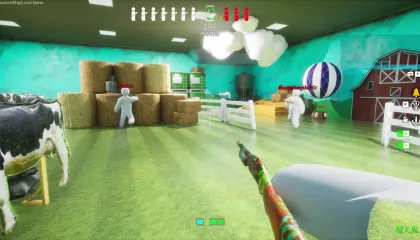
Visually, the game goes for energy over realism, and that choice works. Meccha Chameleon has a color-forward personality that supports its pace rather than distracting from it. The presentation is playful without becoming cluttered, and it consistently gives you enough visual information to stay engaged while still keeping the screen lively. That balance is harder to pull off than people think. Plenty of games can look interesting in screenshots; fewer can remain readable once the action gets intense.
Sound design also does a lot of the heavy lifting. Effects are crisp enough to reinforce timing, while the soundtrack keeps the tempo up without becoming irritating. I like when a game’s audio feels like part of the mechanical experience instead of a separate decoration. Meccha Chameleon understands that. It uses sound to sharpen reactions, which is especially important when you’re chaining movements and trying to maintain flow.
What keeps it interesting over time
Replay value is where Meccha Chameleon finds some of its best momentum. This is the sort of game that benefits from personal improvement more than from sheer content bloat. You do not need a giant checklist to justify coming back; the appeal is in refinement. You want cleaner routes, better handling, smarter reads, and the satisfaction of cutting through a stage with confidence you did not have the first time around.
For players who like challenge, that loop is addictive in the best way. For those who prefer a gentler experience, it may feel sharp-edged at first, but the game is fair enough that persistence pays off. It is not trying to be an easy comfort game. It is trying to be a satisfying one. That distinction matters.
There is also a certain charm in how compact-focused games like this fit modern habits. Instead of demanding a full weekend, Meccha Chameleon can be the kind of title you install, play for a burst, then return to whenever you want a concentrated dose of action. That portability of attention is a real strength. If you are browsing for something to download and jump into without a lengthy commitment, this style of game is easy to recommend.
Who it suits best
The ideal audience is obvious: players who enjoy reaction-based games, score chasing, precision movement, and the satisfaction of learning systems through repetition. If you like your sessions fast and your improvements visible, Meccha Chameleon has your name on it. It also works well for people who want a fresh arcade-style experience rather than a sprawling campaign.
That said, it is not just for experts. A good game like this can pull in newcomers because the appeal is immediate. Even if you are not a veteran, the rules are transparent enough that you can play, understand the goal, and start improving quickly. That is always a sign of solid design.
What I liked most
Meccha Chameleon’s biggest strength is confidence. It knows the kind of experience it wants to deliver and commits to it fully. There is no awkward padding, no unnecessary detours, and no attempt to be everything at once. The result is a focused, energetic game that feels handcrafted for players who appreciate momentum and mastery.
I also like that it encourages honest skill growth rather than relying on gimmicks. The game does not hand you success. You earn it through better timing and smarter choices. That makes each improvement feel meaningful. When a game can make a small breakthrough feel like a big win, it is doing something right.
Any drawbacks?
If there is a downside, it is that the experience may feel narrow for players who want broader systems or a longer-form adventure. Meccha Chameleon is not trying to be expansive, and some people will want more variety than it provides. But in a game like this, restraint is part of the design language. The challenge is depth through repetition, not volume through excess.
Another point is that players looking for easy ways to shortcut progress through cheats or mods may find that the game’s appeal is strongest when played straight. Some communities may eventually create mods or tweaks, depending on the platforms and release model, but the natural way to experience it is still the intended one: learn it, master it, and keep moving.
Final verdict
Meccha Chameleon is sharp, energetic, and built with a clear sense of purpose. It does not try to impress with unnecessary scale. Instead, it focuses on movement, timing, and player skill, and that focus gives it a strong identity. For gamers who appreciate responsive controls, replayable challenges, and a game that respects your time, this is an easy one to keep on your radar.
If you want something that you can download, install, and immediately start testing your reflexes on, Meccha Chameleon delivers that compact arcade rush with style. It is not about overwhelming you; it is about hooking you. And once it clicks, you will probably want to play again just to see how much cleaner you can get the next run.
How to download Meccha Chameleon
Availability & Launch: Meccha Chameleon can typically be accessed through its official store or publisher page, depending on release timing and region. If it is offered as a free title or demo, that will usually be stated clearly on the download page. If a paid release is available, check the storefront for launch details before you install.
Platforms: Check the official listing for supported platforms first. If the game is on PC, Mac, or Android, you can download it directly from the relevant storefront or launcher. If it is not available on a specific system, that platform will not be supported natively and may require cloud play or an emulator only if the publisher allows it.
Install: After you download the installer or client, sign in to the store account, follow the prompts, and let the installation finish before launching the game. On mobile, simply install through the app store and grant any basic permissions the app requests.
System Requirements: For PC, expect modest minimum specs unless the official page says otherwise. For Mac and Android, verify OS version, storage space, and RAM before you start the install. Always use the official requirements listed by the publisher for the most accurate details.
Cheats / Mods: Cheats are generally not recommended unless the game explicitly supports them. Mods may exist if the community builds them, but availability depends on the platforms and whether the developer permits modifications.
Unblocked Access: If you want to play unblocked at school or work, that depends on the network rules and the game’s web or browser availability. Most downloads will not bypass restrictions, so check whether an official browser version or approved platform is offered.
Pros

- Fast, responsive gameplay that rewards quick reactions and good timing
- Clear core loop that is easy to understand but still satisfying to master
- Strong replay value through skill improvement and repeated runs
- Stylish visual presentation that keeps the action lively and readable
- Crisp sound design that supports gameplay and timing
- Compact, pick-up-and-play structure that suits short sessions
- Fair challenge that makes success feel earned rather than handed out
Cons

- May feel narrow for players who want a larger or more varied adventure
- Can be difficult at first for beginners who prefer gentler difficulty curves
- Long-term appeal depends heavily on enjoying repetition and skill refinement